


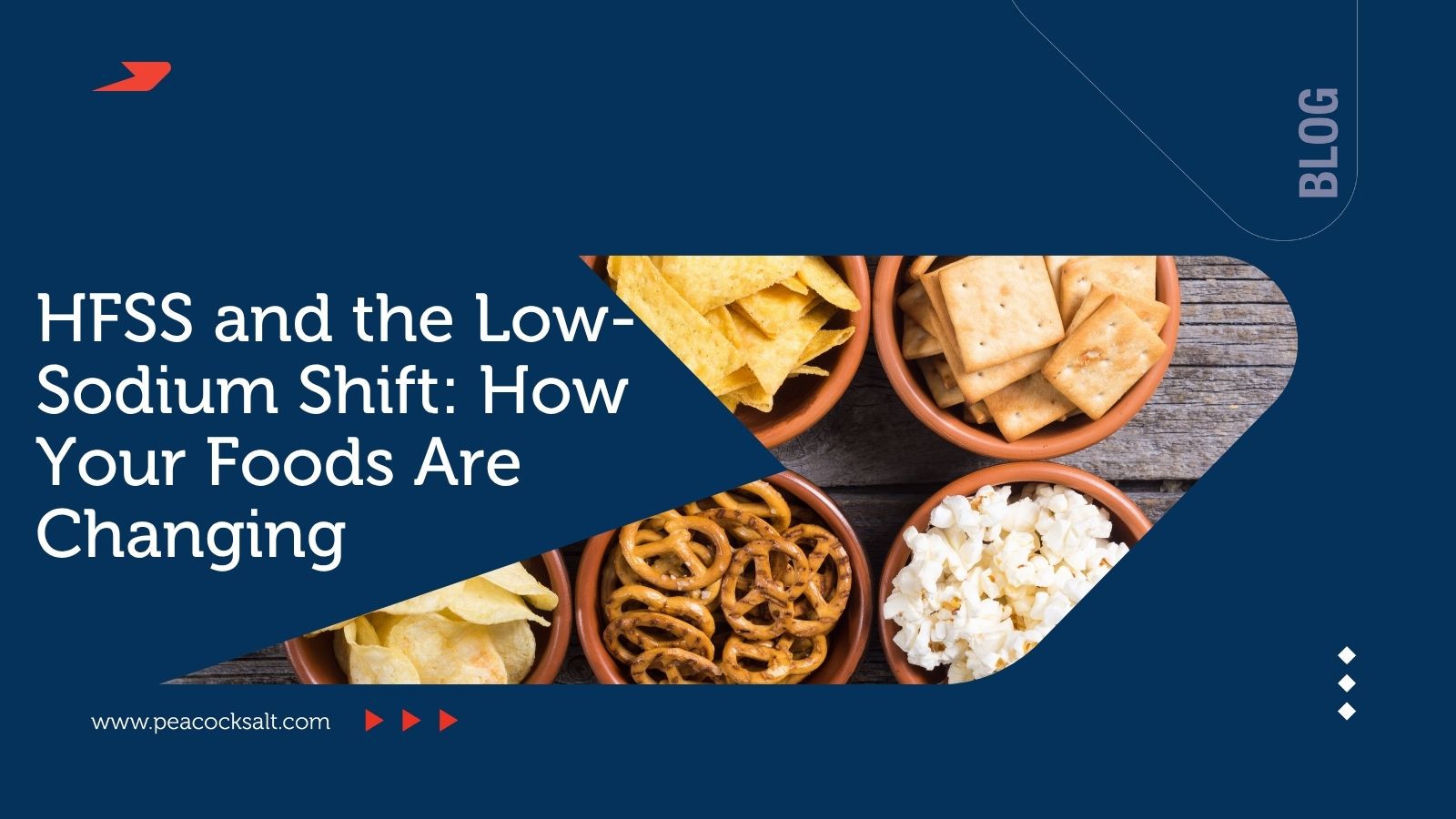
HFSS and the Low-Sodium Shift: How Your Foods Are Changing
If you’ve noticed fewer snack promotions in supermarkets or fewer junk food adverts online, you’re not imagining things.
Across the UK, new regulations targeting foods high in fat, sugar and salt (HFSS) are changing how certain products are advertised, promoted and displayed in shops. These rules are designed to encourage healthier eating habits and reduce obesity—but they are also influencing how the foods we love are marketed and made.
What exactly are HFSS regulations, and what do they mean for everyday shoppers?
What Are HFSS Regulations?
HFSS regulations in the UK are government rules that restrict the promotion, advertising and placement of foods high in fat, sugar and salt. The regulations aim to reduce obesity and encourage healthier eating by limiting how HFSS foods are marketed in supermarkets, online and on television.
What Are HFSS Foods?
HFSS stands for “High in Fat, Sugar or Salt.”
In the UK, foods are classified as HFSS using a nutrient profiling model that measures levels of nutrients such as:
- Fat
- Sugar
- Sodium (salt)
- Calories
- Fibre and protein
If a product scores above a certain threshold, it is considered an HFSS product and may be subject to restrictions on how it can be promoted or advertised.
Foods that often fall into the HFSS category include:
- Crisps and savoury snacks
- Chocolate and confectionery
- Cakes and biscuits
- Ice cream and desserts
- Sugary soft drinks
- Some ready meals
Being classified as HFSS doesn’t mean these foods are banned. Instead, the aim is to encourage balanced diets and moderate consumption.
Why the UK Introduced HFSS Regulations
The UK government introduced HFSS regulations as part of a broader public health strategy to tackle obesity and improve national diets.
Research has shown that product placement, promotions and advertising can strongly influence purchasing behaviour—especially among children. The regulations aim to reduce the impact of these marketing techniques on high-fat, high-sugar and high-salt foods.
The goals include:
Reducing impulse purchases of HFSS foods
Limiting children’s exposure to unhealthy food advertising
Encouraging food manufacturers to develop healthier products
Rather than removing certain foods from shelves, the policy focuses on changing how they are marketed to consumers.
How HFSS Rules Are Changing Supermarkets
Many shoppers have already started to see changes in how certain foods are displayed in stores.
Product Placement Restrictions
Since 2022, many HFSS foods can no longer be placed in prominent locations such as:
Store entrances
Checkouts
End-of-aisle displays
Queueing areas
These areas are traditionally used to encourage impulse buying, so moving HFSS products away from them is intended to reduce spontaneous purchases.
Fewer Multi-Buy Promotions
From October 2025, multi-buy deals on HFSS foods—such as “Buy One Get One Free” or “3 for 2” offers—are being restricted in England.
These promotions can encourage shoppers to buy larger quantities of high-fat, high-sugar or high-salt products, which is why the government has moved to limit them.
Advertising Restrictions
HFSS advertising rules are also tightening.
New regulations limit HFSS food advertising on television before 9pm and place restrictions on paid online advertising for these products.
The aim is to reduce how often children see marketing for foods that are high in fat, sugar and salt.
Why Sodium (Salt) Is Part of the Conversation
Salt plays a critical role in food production, not only enhancing flavour but also contributing to preservation, safety and shelf life in many everyday foods.
However, excess sodium intake has been linked to high blood pressure and increased risk of heart disease. For this reason, reducing salt consumption has been a long-standing public health goal in the UK.
The HFSS regulations are adding further pressure on food manufacturers to review sodium levels in their recipes and look at opportunities to gradually reduce salt content.
How Food Brands Are Responding
Many food manufacturers are already adapting to HFSS regulations by reformulating their products.
This may include:
- Reducing salt or sodium levels
- Lowering sugar content
- Adjusting portion sizes
- Developing new “healthier” product ranges
Reformulating foods can be challenging because ingredients like salt play a key role in flavour and food preservation. The goal is to maintain taste while improving nutritional balance.
What This Means for Consumers
For shoppers, the changes are subtle but noticeable.
You may see:
- Fewer promotions on HFSS snacks
- Changes to product placement in supermarkets
- Fewer online and TV adverts for certain foods
- New recipes with reduced salt or sugar
Importantly, the foods people enjoy aren’t disappearing. Instead, the regulations aim to make healthier choices easier while still allowing room for occasional treats.
The Bottom Line
HFSS regulations are designed to reshape the food environment rather than remove choice.
By limiting promotions and advertising for foods high in fat, sugar and salt, the UK hopes to encourage healthier eating habits while giving food manufacturers incentives to reduce sodium and improve nutritional balance.
For consumers, this means the foods you love will still be available—but the way they’re marketed, promoted and sometimes made may continue to evolve.
HFSS FAQs
What does HFSS stand for?
HFSS stands for High in Fat, Sugar or Salt. It refers to foods that exceed certain nutritional thresholds based on the UK government's nutrient profiling model.
Are HFSS foods banned in the UK?
No. HFSS foods are not banned, but restrictions limit how they can be advertised, promoted and displayed in shops.
Why is salt included in HFSS regulations?
Salt (sodium) is included because high salt intake has been linked to increased blood pressure and heart disease. The regulations encourage gradual reductions in sodium across many food products.
-
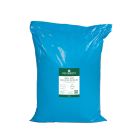 Peacock Reduced Sodium 20% Mix 25kg bag£44.37
As low as £36.15 when you buy multiples
-
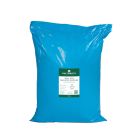 Peacock Reduced Sodium 30% Mix 25kg bag£51.61
As low as £43.39 when you buy multiples
-
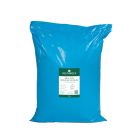 Peacock Reduced Sodium 40% Mix 25kg bag£58.60
As low as £50.38 when you buy multiples
